Clear Chimneys, Clean Air
Carbon Clearing provides professional chimney sweeping and chimney cleaning across Southampton and surrounding Hampshire. We sweep wood-burning stoves, log burners, multi-fuel stoves and open fires, alongside specialist chimney services including camera inspections, bird nest removal, chimney cowl and cap fitting, and stove maintenance.
Get A Free QuoteAbout Carbon Clearing
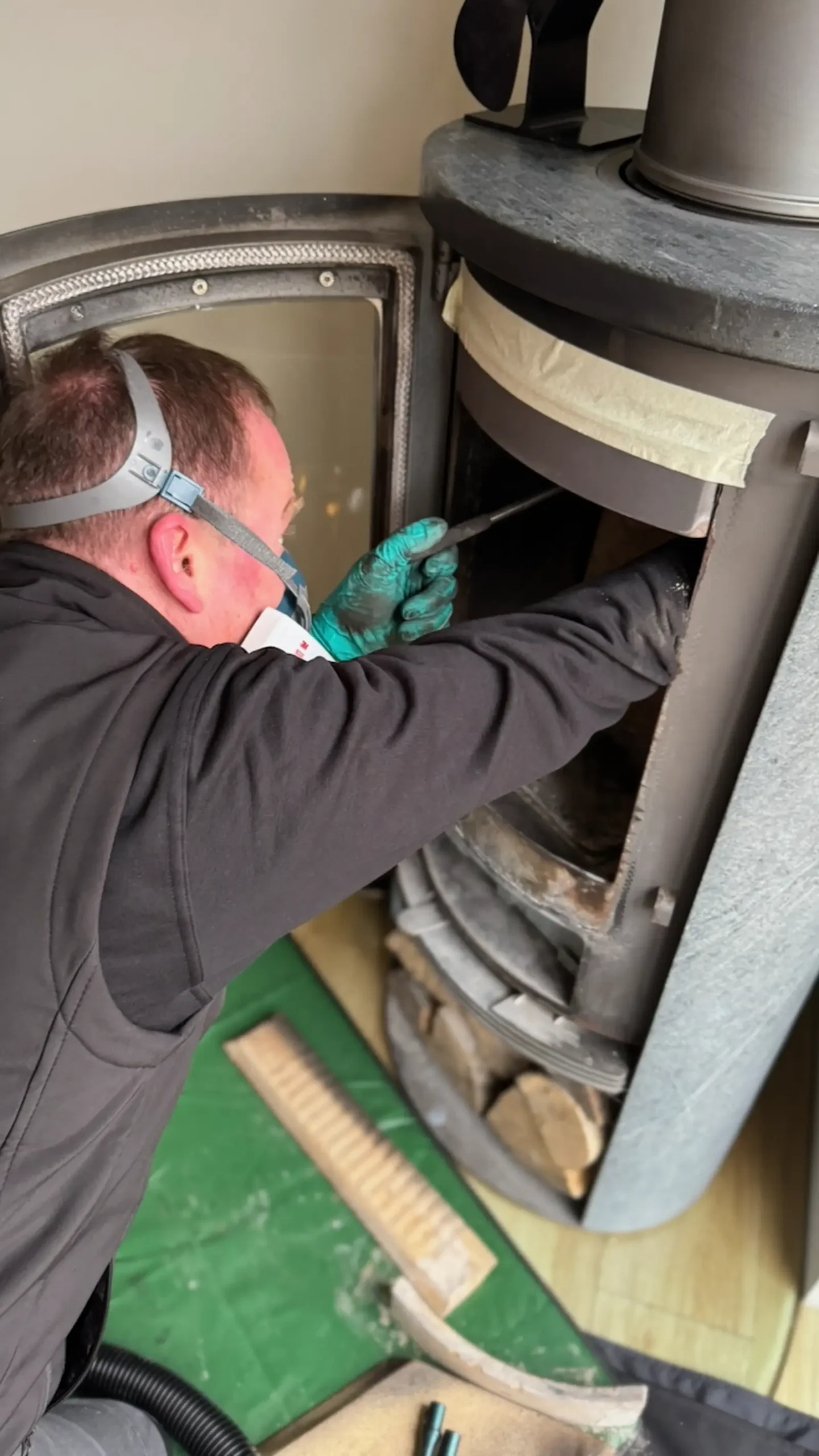
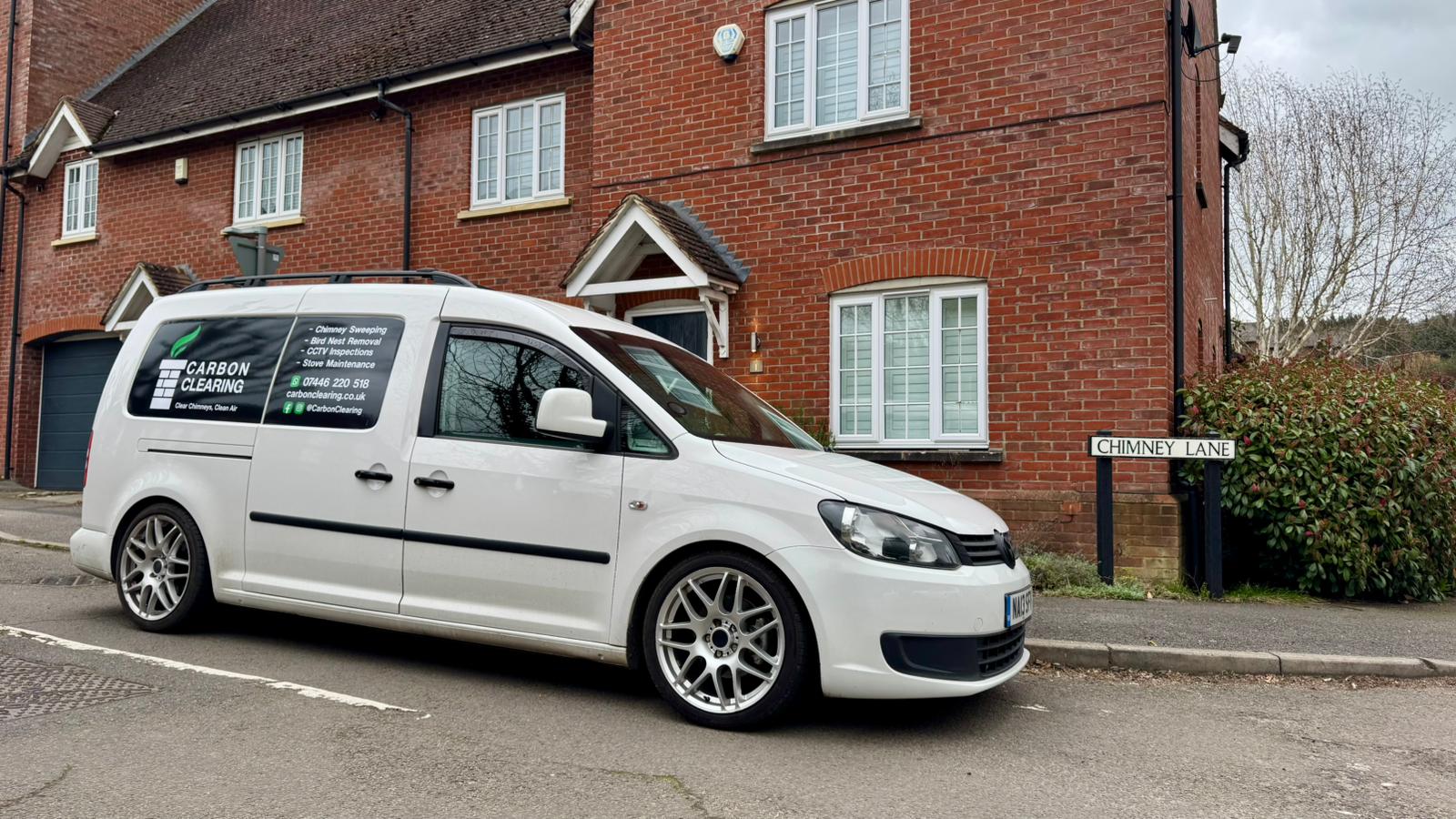
Carbon Clearing is a Guild-certified chimney sweep based in Botley, serving Southampton and surrounding Hampshire. We provide professional chimney sweeping and chimney cleaning for wood-burning stoves, log burners, multi-fuel stoves and open fires, alongside specialist chimney inspection, maintenance and safety services.
All work is carried out in line with current Guild guidance, using modern equipment and clean working practices designed to protect both your home and your chimney. We believe a proper chimney sweep is about more than just cleaning — it’s about safety, compliance, and giving homeowners confidence in how their appliance is performing.
Whether you use an open fire, wood-burning stove, multi-fuel appliance, or inglenook fireplace, regular sweeping and inspection helps reduce fire risk, improve efficiency, and keep your system operating safely throughout the heating season.
Why choose us:
When choosing a chimney sweep, you want reliability, professionalism, and clear honest advice. At Carbon Clearing, we take pride in offering a thorough, dependable service built around customer trust and long-term chimney safety.
We take the time to explain our findings clearly, offer practical recommendations where needed, and ensure every customer feels confident in the safety and condition of their chimney or stove.
Get A QuoteOur Services
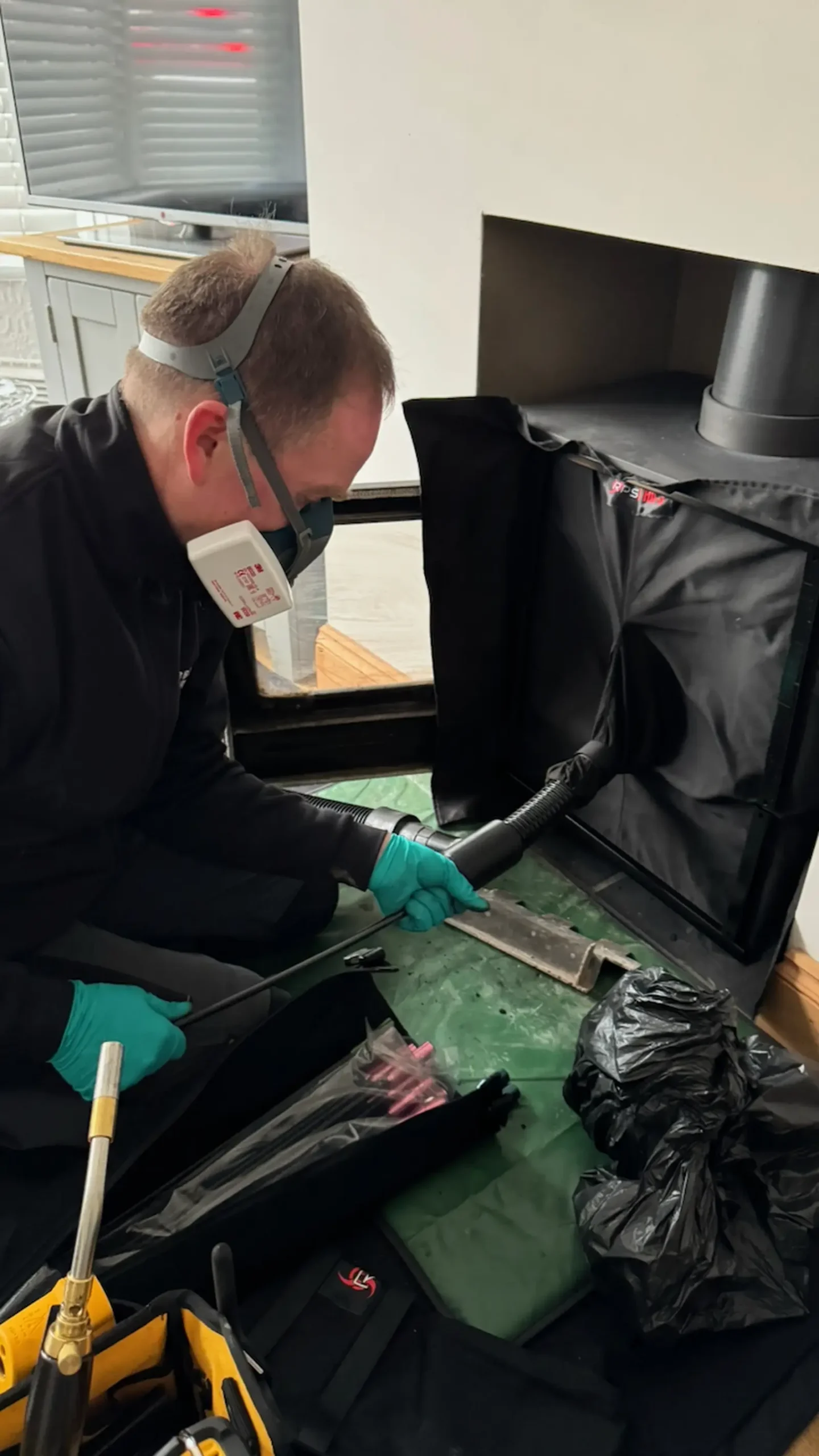
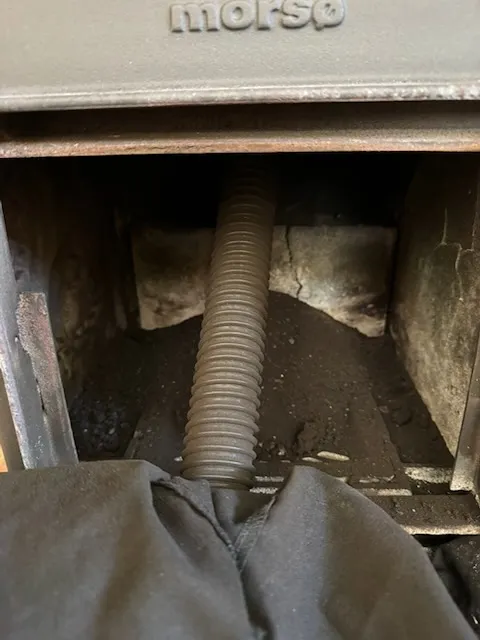
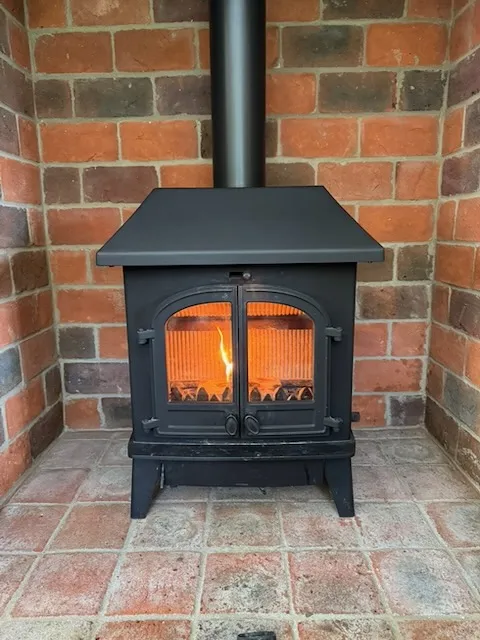
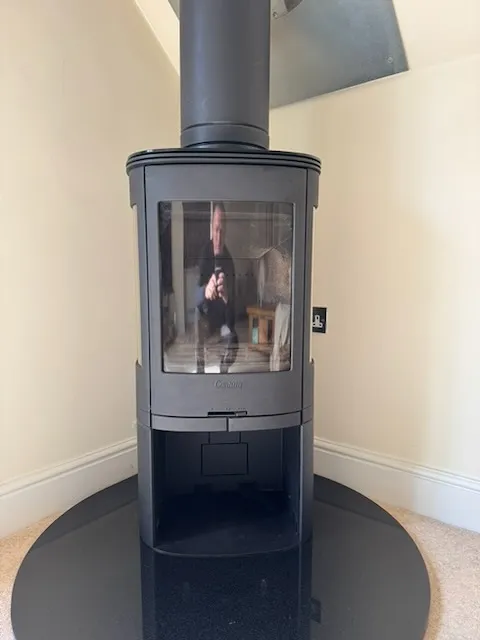
Professional chimney sweeping for wood-burning stoves, multi-fuel stoves and open fires, carried out to Guild of Master Chimney Sweeps standards.
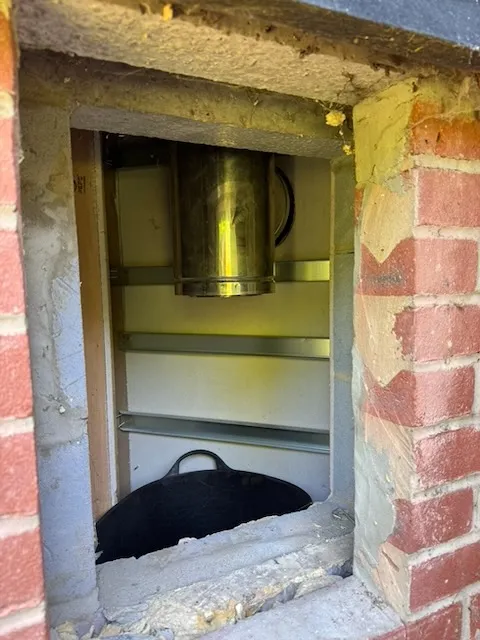
Chimneys that require additional access, specialist equipment or extra time to sweep safely and thoroughly.
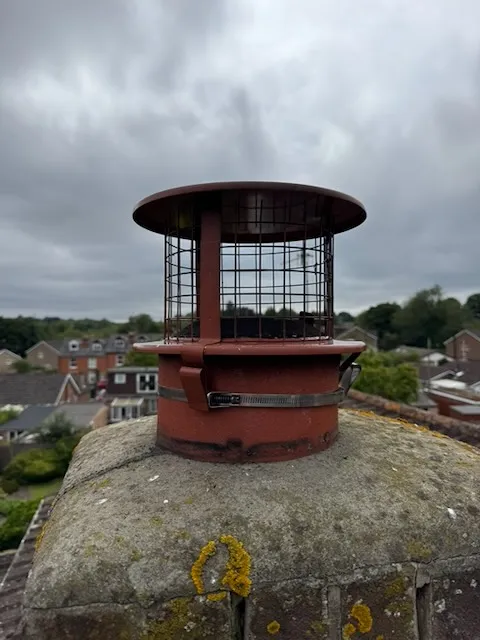
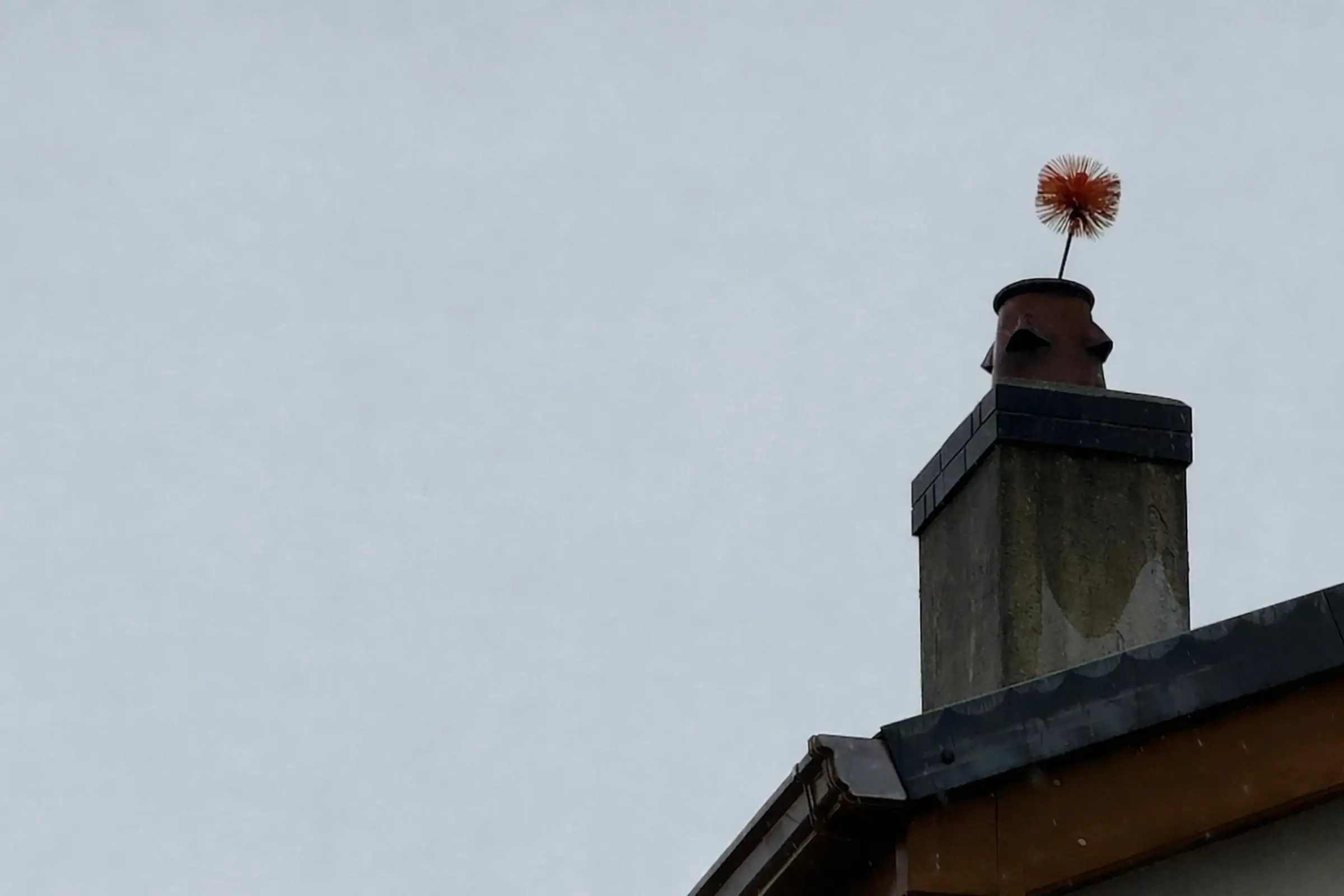
Professional installation of bird cowls, rain guards and chimney caps to help protect your chimney from birds, rainwater and debris, ensuring safe and efficient operation.
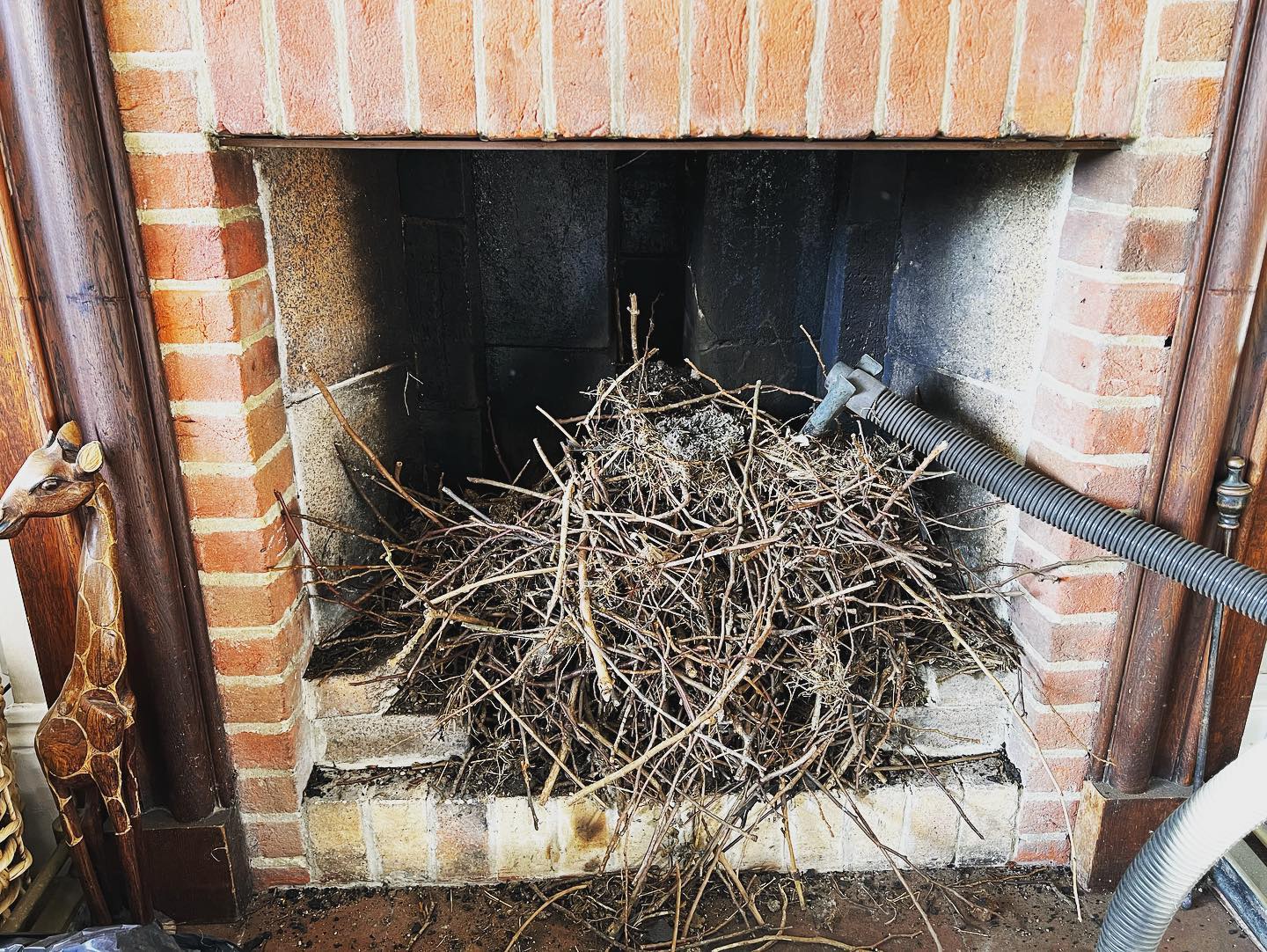
Removal of bird nests and other chimney blockages, including CCTV inspection to confirm the flue is fully cleared.
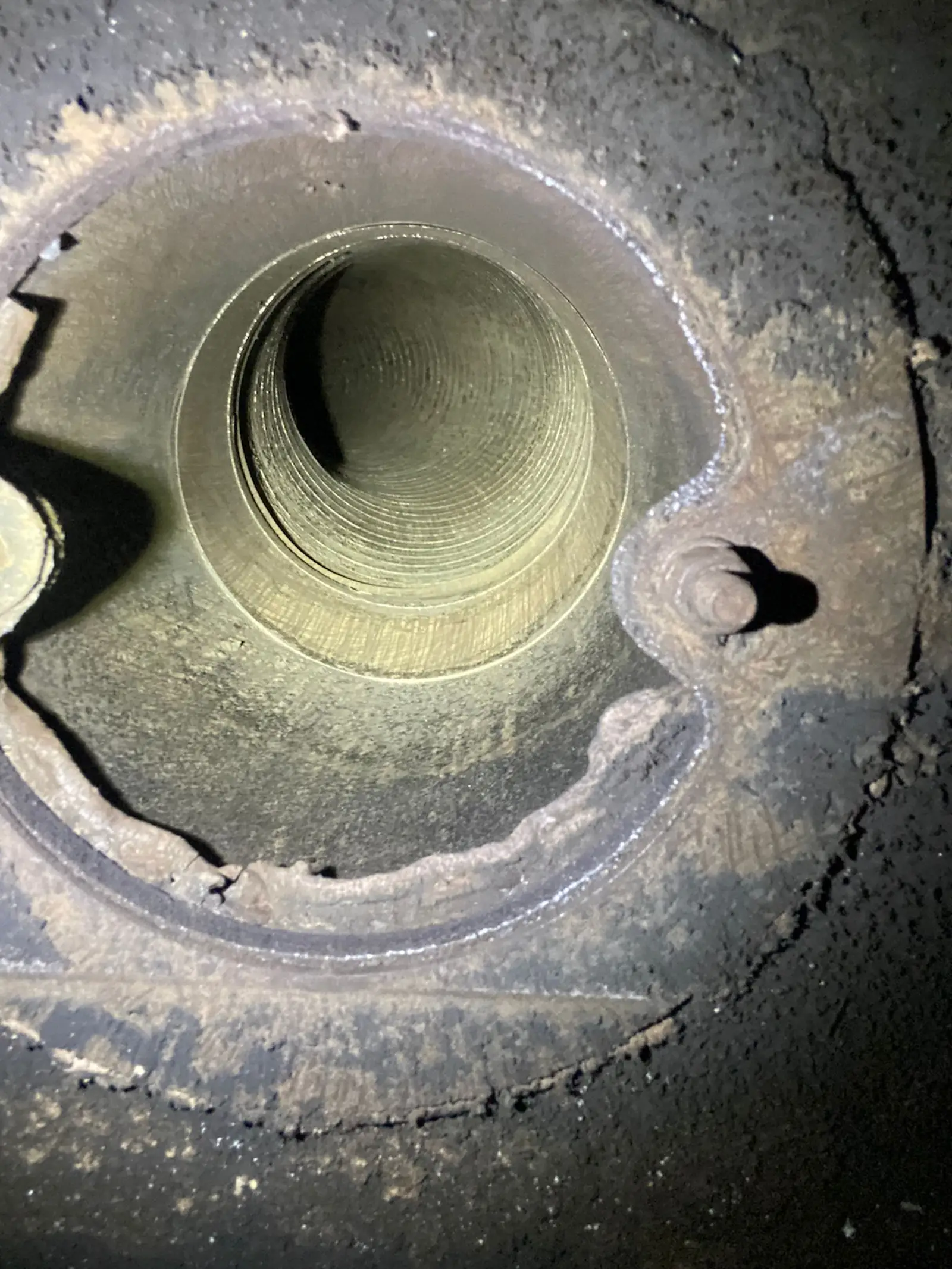
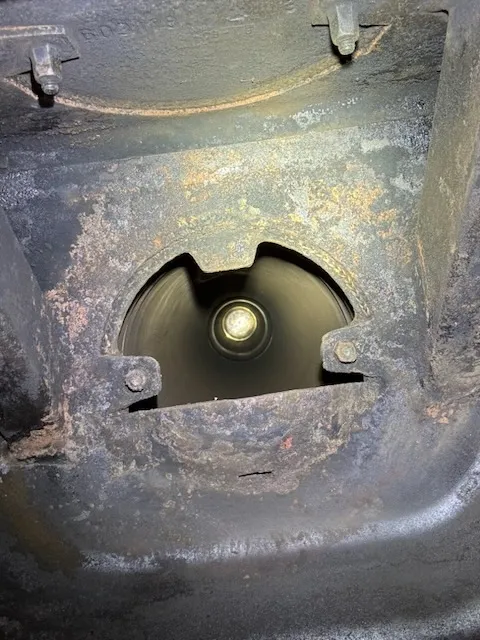
Internal camera inspections of the chimney to assess its condition and identify blockages, damage or defects not visible during a standard sweep.
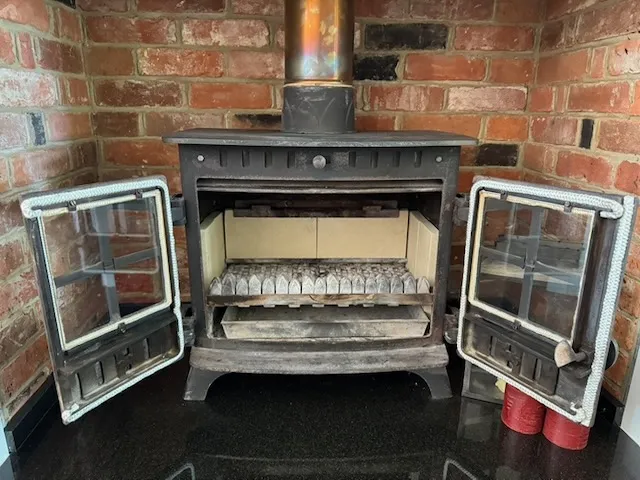
Routine stove maintenance, including replacement of rope seals and gaskets, to keep your appliance safe, efficient, and fully operational.
Frequently Asked Questions
From how often your chimney or flue should be swept to preparing for your appointment, choosing the right firewood and understanding common problems, we’ve answered some of the questions we’re asked most often. Whether you’re booking your first chimney sweep, looking after an existing log burner or open fire, or simply want to know more about keeping your chimney safe and working efficiently, you’ll find straightforward, practical answers here.
One of the most common concerns we hear from customers is whether having their chimney swept will leave soot and dust throughout the room.
The short answer is no — a professional chimney sweep should leave your room clean and tidy.
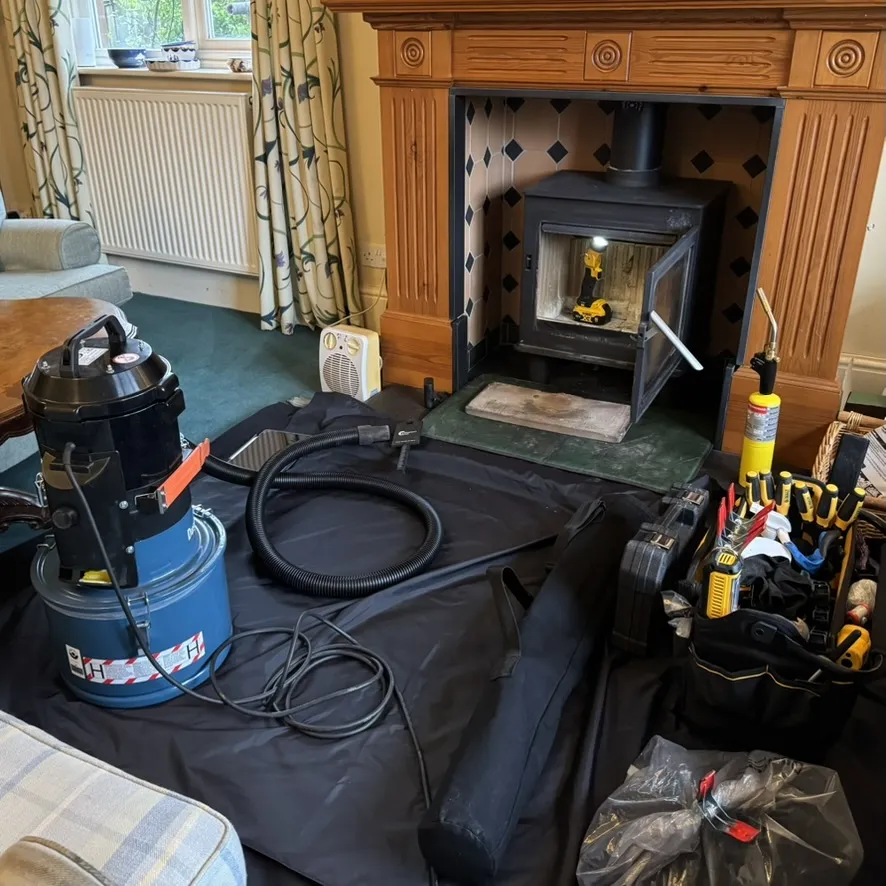
At Carbon Clearing, we use appropriate dust sheets and protective equipment to help protect your fireplace, stove and surrounding area before sweeping begins. Our sweeping equipment is designed to contain soot and debris as it is removed from the chimney, rather than allowing it to escape into your room.
We also take care around furniture, flooring and other items in the immediate area. Once the sweeping is complete, we clean up any dust or debris around the appliance before leaving.
What about soot coming down the chimney?
Soot and debris will naturally be dislodged during sweeping, particularly if there is a significant build-up in the flue. This is exactly why proper containment is important. Our equipment and working methods are intended to keep this within the protected area rather than allowing it to spread around your home.
Occasionally, a chimney may contain more than ordinary soot — for example, debris from an old bird’s nest or other material. In these circumstances, we may need to take additional precautions and explain what we have found before continuing.
Do I need to empty the room first?
Not usually. We simply ask that you make the immediate area around the fireplace or stove accessible before we arrive. Moving valuable or delicate items further away from the appliance can also make things easier.
We will always treat your home with care and respect.
💡 Top tip: If there’s anything near your fireplace or stove that you’re particularly concerned about, just let us know before we start. We’re happy to take extra precautions to protect it.
A chimney sweep shouldn’t leave you with another cleaning job afterwards. Our aim is to complete the sweep safely, professionally and with as little disruption to your home as possible.
There’s no need for extensive preparation before we arrive, but a few simple things will help us carry out your chimney sweep safely and efficiently.
Please make sure the area immediately around your fireplace or stove is clear before we arrive. Ornaments, decorations, firewood baskets, furniture and other belongings should be moved out of the working area beforehand.
As a general rule, we won’t move customers’ belongings ourselves. This helps prevent accidental damage and ensures that anything particularly valuable or delicate is handled by its owner. If you’re unsure whether something needs to be moved, we’re happy to advise you when booking.
Your appliance must also be completely cold before we arrive, with at least 24 hours having passed since the last fire. This gives the appliance and flue sufficient time to cool before sweeping.
We prefer the ash to be removed from the appliance before we arrive, where practical. However, don’t worry if there’s a small amount left — we can work around it.
If you have children or pets, please keep them away from the immediate working area while we’re carrying out the sweep.
💡 Top tip: The easiest way to prepare is to clear the area around your appliance the day before your appointment and make sure your last fire has been out for at least 24 hours.
A little preparation helps us carry out your sweep safely, efficiently and with as little disruption to your home as possible.
Carbon Clearing’s standard chimney sweeping service starts from £85.
Our standard service includes:
We believe a professional chimney sweep should be about more than simply sweeping the flue. Our service is designed to give you confidence that your chimney or flue has been swept properly and that any obvious issues identified during the visit are brought to your attention.
The final cost can vary depending on the type of appliance, chimney or flue, access and the complexity of the system. Properties with multiple flues or appliances, for example, may cost more than our standard price.
Occasionally, we may also encounter something unexpected, such as a significant build-up of deposits, an obstruction or a bird’s nest. If additional work is required, we’ll explain what we’ve found and discuss it with you before carrying out any chargeable work.
💡 Top tip: When comparing chimney sweep prices, look at what’s included rather than simply choosing the lowest price. Check whether the sweep includes inspection, testing and a certificate, as these can make a significant difference to the overall service you’re receiving.
Our standard chimney sweeping service starts from £85, with no surprises about additional work — we’ll always discuss it with you first.
There isn’t one particular month when every chimney should be swept. The best time depends on how often you use your appliance and when it was last swept.
However, spring and summer are often the ideal times to book your chimney sweep.
Once the heating season has finished, your chimney is likely to be out of use for several months. Having it swept during this period means it’s clean and ready for the next time you need it, and you’re less likely to be caught out when the first cold evenings arrive.
Autumn is traditionally our busiest time of year, as people start thinking about lighting their log burners and open fires again. Leaving your sweep until then can mean fewer appointment options and a longer wait for a convenient date.
There are also good reasons not to leave sweeping until immediately before you plan to light your first fire. If a sweep discovers an issue such as a blockage, bird nest, damaged component or other problem with the flue, you’ll have time to arrange any necessary work before you need to use the appliance.
That said, if your chimney is due for sweeping, don’t wait for a particular season. It’s better to have it swept when it’s due rather than continuing to use an appliance simply because it’s the wrong time of year.
💡 Top tip: If you usually light your stove or fire for the first time in autumn, consider booking your sweep during the spring or summer. You’ll have one less thing to think about when the colder weather arrives.
A little forward planning can make sure your chimney is clean, checked and ready when you need it.
How often your chimney or flue should be swept depends on what you burn, how frequently you use your appliance and the condition of the flue. There isn’t one sweeping interval that is right for every home.
As a guide, the Guild of Master Chimney Sweeps recommends:
These are recommendations rather than a one-size-fits-all rule. An appliance that is used occasionally may require a different sweeping frequency from one that’s used heavily throughout the heating season.
Burning clean, dry wood with a moisture content of 20% or less can help reduce deposits, but even the cleanest-burning appliance still requires regular sweeping. Soot, tar and other combustion deposits can build up inside the flue over time and may affect its performance.
Regular sweeping also provides an opportunity to identify potential problems, such as excessive deposits, obstructions or other issues with the appliance or flue, before they become more serious.
If you’re unsure how frequently your chimney should be swept, we can advise you based on the type of appliance you have, what you burn and how often you use it.
💡 Top tip: Keep a note of when your chimney was last swept. If you’re unsure when it was done or you’ve recently moved into a property, it’s worth having it checked rather than guessing.
Regular sweeping helps keep your chimney or flue clear, your appliance working efficiently and your home safer.
Yes. Having a stainless steel chimney liner doesn’t mean your flue no longer needs sweeping.
A stainless steel liner provides a correctly sized, continuous flue for your appliance and can offer important benefits when installed correctly. However, combustion products still pass through the liner every time you use your stove or fire.
Soot, tar and other deposits can therefore still build up inside the liner. Birds, debris or other obstructions can also enter the chimney in some circumstances.
Regular sweeping removes these deposits and helps keep the flue clear and operating as it should. It also gives your chimney sweep an opportunity to identify anything unusual, such as excessive deposits, an obstruction or visible signs of damage.
It’s particularly important not to assume that a liner will protect you from chimney fires. A build-up of combustible deposits inside a liner can still ignite.
The good news is that stainless steel liners are generally designed to be swept as part of normal chimney maintenance. Your chimney sweep will use appropriate equipment and methods for the type and condition of liner installed.
Your sweeping frequency should still be based on the fuel you’re burning, how often you use the appliance and the condition of the flue.
💡 Top tip: If you’ve recently had a liner installed, keep the installation paperwork and details of the liner to hand. Knowing what type of liner has been fitted can help your chimney sweep select the appropriate sweeping equipment and advise you on its ongoing maintenance.
A liner is part of your chimney system — not a replacement for regular sweeping.
A chimney camera inspection uses specialist CCTV equipment to look inside your chimney or flue. It allows us to inspect areas that aren’t always visible during a normal visual inspection or chimney sweep.
A CCTV chimney inspection can help identify blockages, damaged or defective liners, heavy creosote or tar deposits, cracks, obstructions and other problems within the flue.
A camera inspection can be particularly useful if:
The camera allows us to see much more of the flue than is possible from the fireplace or appliance opening. Where appropriate, we can use what we find to help determine whether further investigation or remedial work is needed.
A chimney camera inspection isn’t automatically required every time a chimney is swept. It’s a specialist diagnostic tool that we may recommend where there is a particular concern or where seeing inside the flue would provide useful additional information.
💡 Top tip: If you’re buying a property with an existing log burner, open fire or chimney liner and don’t know its history, a chimney CCTV inspection can be a useful way of getting a clearer picture of the condition of the flue before you rely on it.
Sometimes the best way to understand what’s happening inside a chimney is to look inside it.
If you have a log burner or other solid-fuel appliance, we strongly recommend having a working carbon monoxide (CO) alarm in the same room.
CO is a colourless, odourless and potentially fatal gas that can be produced when fuel doesn’t burn completely. A problem with an appliance, chimney or flue can allow carbon monoxide to enter the room without there necessarily being any obvious warning.
In England, the Building Regulations require a carbon monoxide alarm to be provided in the same room when a new or replacement fixed solid-fuel appliance is installed. The requirement applies to the installation rather than automatically making an alarm mandatory for every existing appliance. (GOV.UK)
However, we believe every room containing a solid-fuel appliance should have a working CO alarm, regardless of when the appliance was installed. It’s a relatively small investment that provides an important additional layer of protection.
For a new or replacement installation, Approved Document J states that the alarm should be in the same room as the appliance and positioned between 1 and 3 metres from it, with specific requirements for positioning on the ceiling or wall.
The alarm is not a substitute for proper installation, regular appliance maintenance or chimney sweeping. All of these form part of keeping your appliance and flue operating safely.
💡 Top tip: Test your CO alarm regularly and check its expiry date. If you have a log burner but don’t currently have a working CO alarm in the room, we’d strongly recommend fitting one.
A CO alarm could give you an early warning of a potentially dangerous situation — don’t rely on your senses to detect carbon monoxide.
If you have a wood-burning stove, open fire or other solid-fuel appliance, you may find that your home insurance policy requires the chimney or flue to be swept at specified intervals.
This isn’t a universal requirement for every home insurance policy, so it’s important to check your own policy wording. However, where regular sweeping is a condition of your cover, your insurer may ask for evidence that it has been carried out.
So why does it matter?
Regular chimney sweeping helps remove soot, tar and other combustible deposits that can build up inside a chimney or flue. These deposits can affect the performance of your appliance and, in some circumstances, contribute to the risk of a chimney fire.
A Chimney Sweeping Certificate provides a record that the chimney or flue has been swept by a professional chimney sweep on a particular date. It can therefore provide useful evidence if your insurer asks you to demonstrate that you’ve followed the conditions of your policy.
At Carbon Clearing, we provide a digital Chimney Sweeping Certificate following your sweep. Our certificates provide you with a convenient record of when your chimney or flue was swept.
It’s important to remember that having a certificate doesn’t guarantee that an insurance claim will be accepted. Your policy wording remains the important document, and insurers may have additional requirements relating to your appliance, installation, maintenance or fuel.
💡 Top tip: Check your home insurance policy before your next sweep to see whether it specifies how often your chimney or flue must be swept and whether you need to retain a certificate as evidence.
Keep your certificate safe — hopefully you’ll never need it, but it’s useful to have a clear record of your chimney maintenance if your insurer ever asks for it.
Yes. Following a standard chimney sweep, Carbon Clearing provides a digital chimney sweeping certificate recording the work carried out and any observations made during the visit.
Your chimney sweeping certificate provides a convenient record of the date your chimney or flue was swept, the appliance and flue details, and any relevant observations made during the appointment.
Our certificates carry the Guild of Master Chimney Sweeps branding, giving you a professional digital record that you can keep with your household documents.
Having a certificate is particularly useful if your home insurance policy requires regular chimney sweeping or evidence that it has been carried out. Insurance requirements vary between policies, so we always recommend checking your own policy wording.
Your certificate can also be useful for your own maintenance records, particularly if you have recently moved home, had an appliance installed or have work carried out on your chimney or flue in the future.
If we identify anything during the sweep that we think you should be aware of, our observations will be recorded on your certificate, and we’ll discuss any concerns with you at the time.
💡 Top tip: Keep your digital chimney sweeping certificate somewhere safe and easily accessible. You may not need it immediately, but having a clear record of your chimney maintenance can be invaluable if you ever need to demonstrate when it was last swept.
A chimney sweeping certificate gives you a clear digital record of the work carried out and helps you keep on top of your chimney maintenance.
If smoke is coming back into the room instead of travelling up the chimney, something isn’t quite right. There can be several possible causes, and the solution depends on what is preventing the chimney from drawing correctly.
One common cause is a cold chimney. When a chimney is cold, particularly after a long period without use, it may take time for the warm air from the fire to establish an upward draught.
Another possibility is insufficient ventilation. Modern homes can be relatively airtight, and your appliance needs an adequate supply of air for combustion. Extractor fans, cooker hoods and other ventilation systems can sometimes make the problem worse by creating negative pressure in the room.
A blocked or restricted flue can also cause smoke to spill back into the room. This could be caused by excessive soot or tar deposits, debris, or even a bird’s nest or other obstruction.
The weather can play a part too. Wind direction, atmospheric conditions and the position of nearby buildings, trees or other structures can sometimes cause downdraught, pushing air and smoke back down the chimney.
The way the fire is being lit and operated can also affect the draught. Wet wood, insufficient kindling or closing the air controls too much can result in a fire that produces more smoke than the chimney can effectively carry away.
If smoke continues to enter the room, don’t simply continue using the appliance and hope it improves. Stop using it and have the appliance and flue checked by a competent professional to establish the cause.
💡 Top tip: When lighting a cold stove or fire, start with a small, hot fire using dry kindling and suitable dry firewood. If smoke still comes into the room once the fire is established, stop using the appliance and get the cause investigated.
Your chimney should safely carry combustion gases away from your home — persistent smoke blowback shouldn’t be ignored.
The best fuel depends on your appliance, so always follow the manufacturer’s instructions and only burn fuels that your appliance is designed to use.
For a wood-burning stove or open fire, clean, dry firewood with a moisture content of 20% or less is the best choice. When buying firewood in smaller quantities, look for the Ready to Burn logo, which indicates that the wood meets the required moisture standard.
But how do you know whether your own logs are dry enough?
Don’t rely solely on how a log looks or feels. The most reliable way to check is with a moisture meter. For the most meaningful reading, split the log and test the freshly exposed face. Aim for a reading of 20% or less.
Dry wood burns more efficiently, producing more useful heat and generally less smoke and combustion deposits. Wet or unseasoned wood uses much of the fire’s energy to evaporate the water it contains, resulting in poorer combustion and more smoke. These deposits can build up in your appliance and chimney or flue.
Hardwoods such as ash, beech and oak can make excellent firewood when properly dried, but dryness is more important than the species of wood. Properly dried softwood can burn much better than wet hardwood.
Avoid burning treated, painted or contaminated timber, as this can produce harmful fumes and unwanted deposits. Never burn anything that your appliance manufacturer says is unsuitable.
💡 Top tip: A moisture meter is a simple and inexpensive way to check your logs. If you’re buying larger quantities of firewood, where Ready to Burn certification may not apply, checking the moisture content yourself is particularly useful.
Choose the right fuel, keep your wood dry, and your fire will reward you with better heat and cleaner combustion.🔥
A little discolouration on your stove glass can be normal, particularly when lighting a fire or when the appliance is operating at a lower temperature. However, if your glass is regularly turning black or becoming heavily sooted, it’s worth looking at how the appliance is being operated.
One of the most common causes is burning wood that isn’t dry enough. Wet or unseasoned logs produce more smoke and combustion by-products, which can contribute to deposits forming on the glass as well as inside the flue.
Insufficient air can also be a factor. Modern wood-burning stoves are designed to burn efficiently with a controlled supply of air. Closing the air controls too much, particularly before the fire is properly established, can result in incomplete combustion and more smoke.
The way the fire is lit can make a difference too. A small, hot fire using plenty of dry kindling helps the stove and flue reach operating temperature quickly and encourages cleaner combustion.
It’s also important not to continually run the stove at very low temperatures. This can result in incomplete combustion, producing more smoke and deposits.
If you’re burning good-quality dry wood, operating the stove correctly and the glass is still becoming heavily blackened, there may be another issue worth investigating, such as inadequate draught, restricted airflow or a problem with the appliance.
💡 Top tip: A stove thermometer can be a useful tool for understanding how your appliance is operating. It can help you see whether you’re consistently burning within the temperature range recommended by your stove manufacturer. Operating your stove at the correct temperature can help promote cleaner and more efficient combustion.
Clean glass is often a sign that your stove is burning efficiently — but don’t worry about keeping it perfectly spotless. A little discolouration is normal.
Birds occasionally make their homes in chimneys, particularly where there is no suitable chimney cowl or other protection. A nest can restrict the flue and may prevent an appliance or open fire from being used safely.
But an active bird’s nest cannot simply be removed.
In England, wild birds, their eggs and their nests are protected under the Wildlife and Countryside Act 1981. It is an offence to intentionally take, damage or destroy a nest while it is being built or in use. Some species have additional protection against disturbance. (GOV.UK)
This means that if we find an active nest, we won’t simply sweep it out. Depending on the circumstances, the appropriate course of action may be to leave the nest in place and allow the birds to finish nesting before the chimney can be cleared and, where appropriate, protected against future nesting.
If we find evidence that a nest is no longer in use, the legal position is different and it may be possible to remove it. However, we won’t make assumptions about this — we’ll assess the situation carefully before taking action. (GOV.UK)
If a nest is preventing your chimney or flue from being used, don’t attempt to burn it out or remove it yourself. Get appropriate professional advice first.
Once a redundant nest has been safely removed, we can also advise on installing a suitable bird cowl. Where appropriate, this can help prevent birds from accessing the chimney and building another nest in the future.
💡 Top tip: If you’ve had a bird’s nest in your chimney before, don’t wait for it to happen again. Once the chimney is clear and it’s appropriate to do so, ask us about fitting a bird cowl to help prevent future nesting.
We take chimney safety seriously — but we also believe in protecting the wildlife that sometimes chooses our chimneys as a home.
Once we’ve finished sweeping your chimney or flue, the soot and debris removed during the sweep are carefully contained and removed from your appliance or fireplace.
The soot is left with you after the sweep for disposal. We don’t simply leave it loose around your fireplace — it’s contained so that you can deal with it appropriately once we’ve finished.
As part of our normal sweeping process, we take care to minimise dust and mess in your home and clean the immediate working area before we leave.
You may be surprised by how much soot comes out of a chimney, particularly if it hasn’t been swept for some time. The amount can vary considerably depending on the appliance, fuel used, frequency of use and condition of the flue.
We recommend that you follow your local authority’s guidance for disposing of chimney soot and fireplace waste. If you’re unsure what to do with it, your local council’s waste and recycling service should be able to advise you.
💡 Top tip: If you have a sweep booked, it’s useful to have a suitable container or bag available for the soot once the sweep is complete. If you’d prefer, we can contain the soot for you so it’s ready to be disposed of appropriately.
A clean chimney means the soot has done its job — now it just needs somewhere to go!
Customer Reviews
We’re proud to provide a friendly, reliable and professional chimney sweeping service that our customers can depend on. Take a look at what people have to say about their experience with Carbon Clearing, from the quality of our work to the care we take in leaving every home clean and tidy.
Why Maintenance Matters
Regular sweeping removes soot, creosote and debris that can build up inside your chimney, helping prevent dangerous chimney fires and blockages.
A clean, clear flue allows smoke, carbon monoxide and other gases to exit your home safely and efficiently.
When your chimney and flue are clear, your stove or fireplace can draw properly, burn fuel more efficiently and provide better heat.
Routine inspections help spot cracks, damage, blockages or nesting before they turn into expensive structural problems.
Professional sweeping includes a certificate of service, giving you proof of maintenance for insurance, safety and property records.
Knowing your chimney system has been professionally cleaned and checked helps you use your stove or fireplace with confidence.
What we do
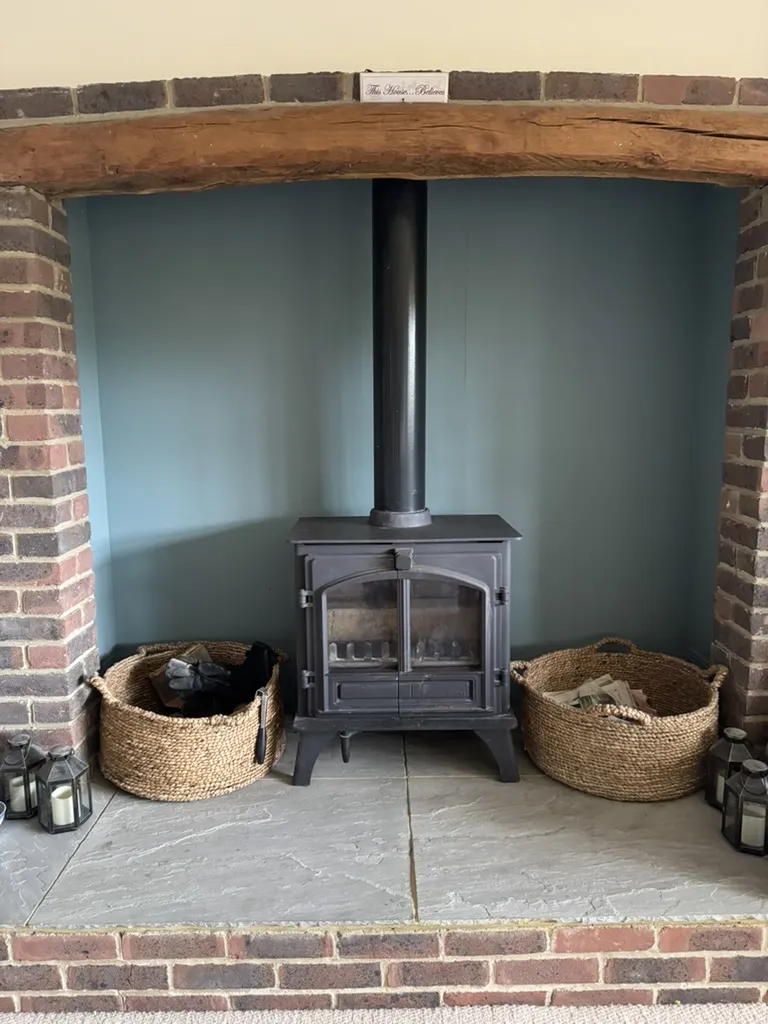
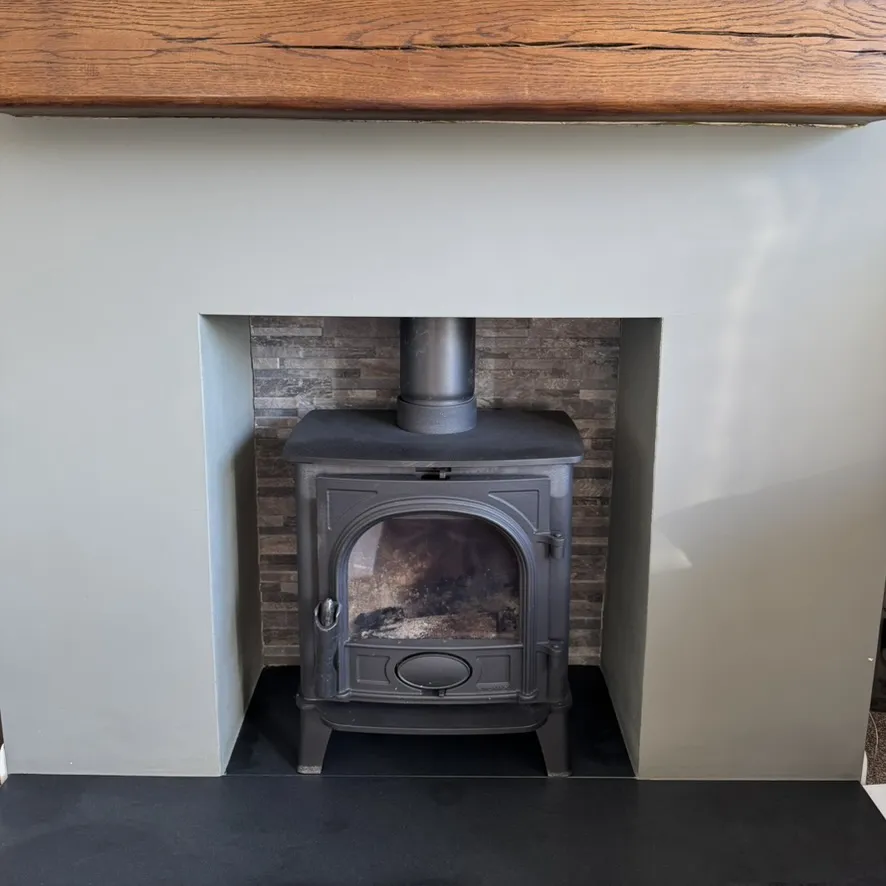
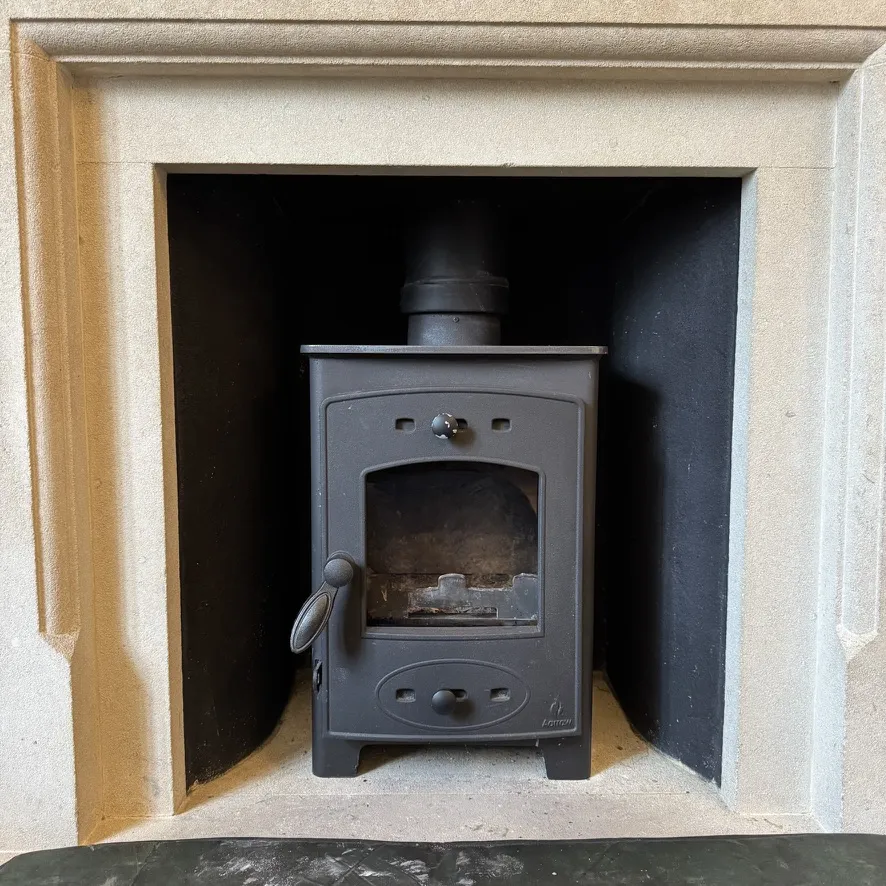
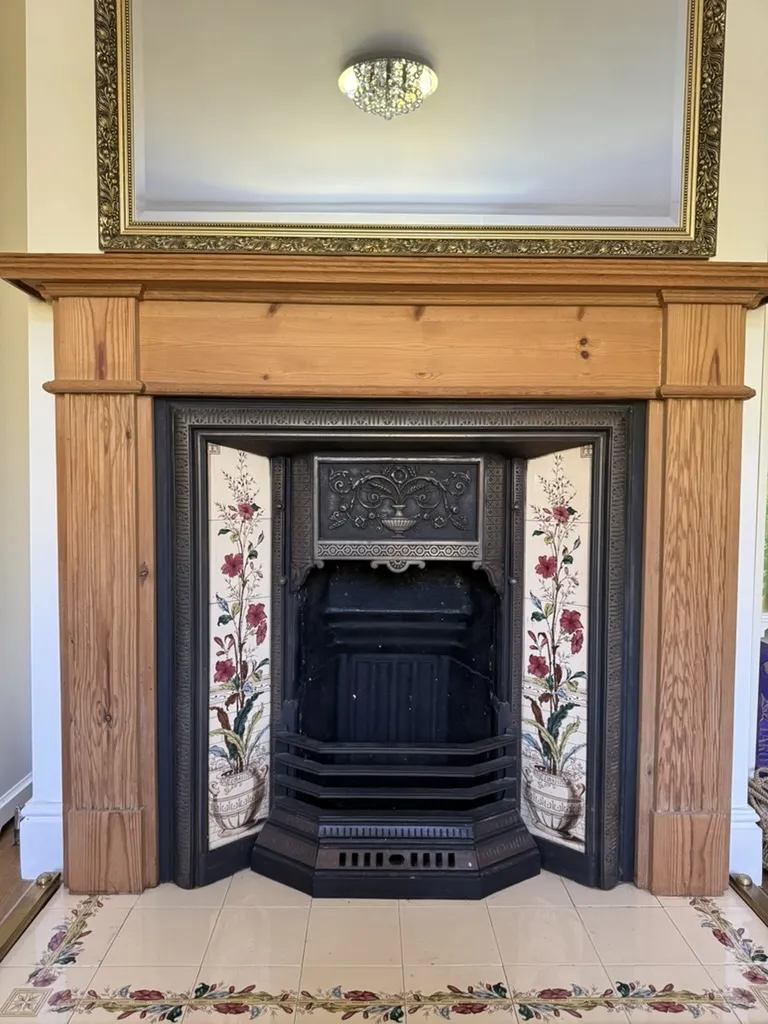
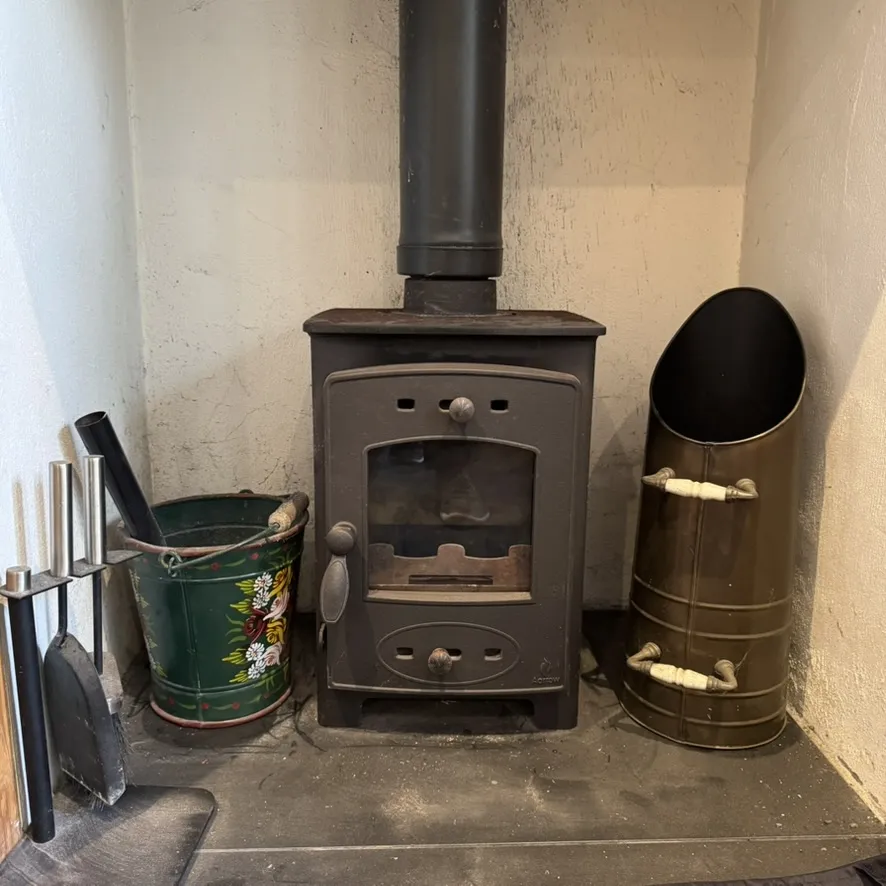
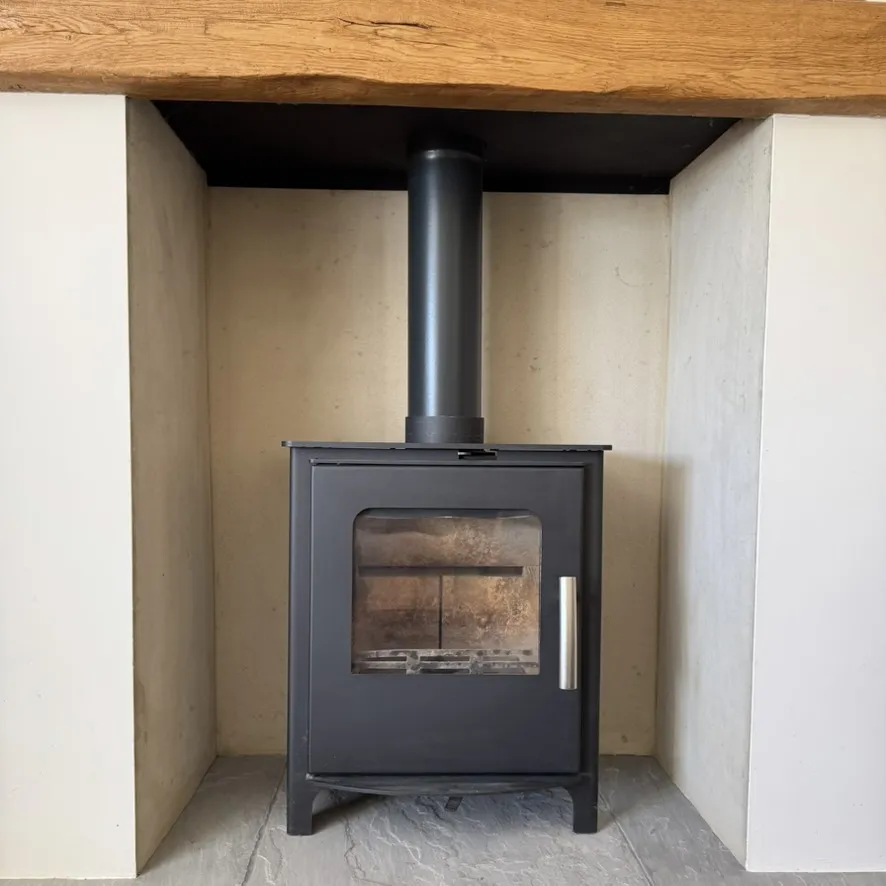
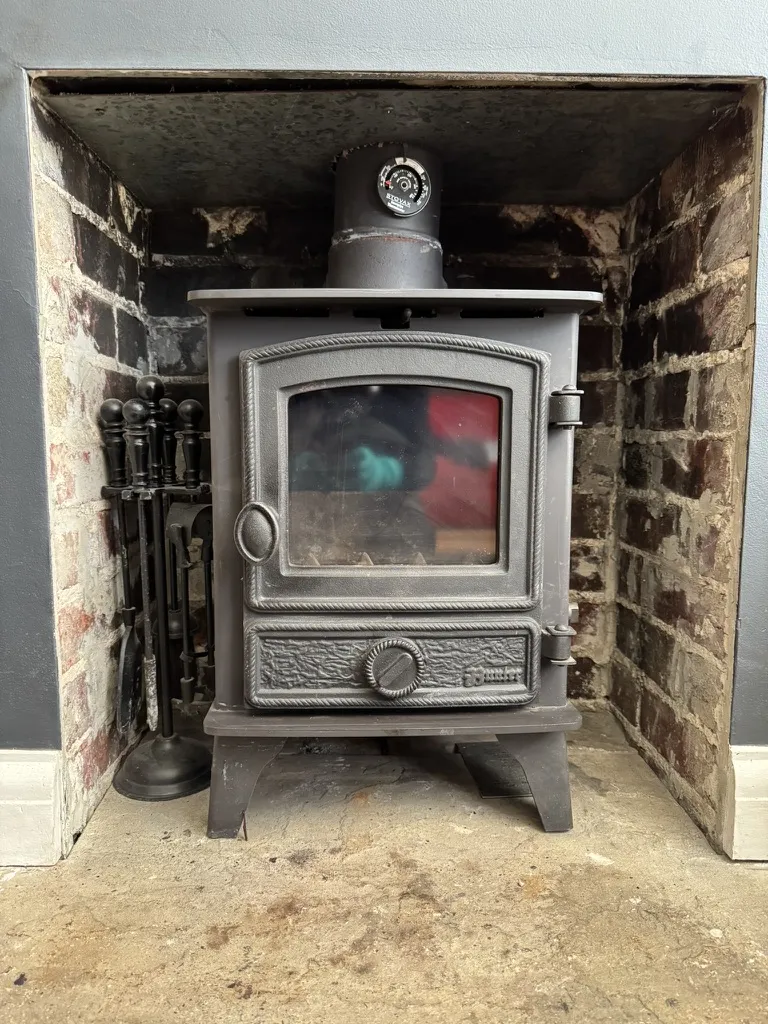
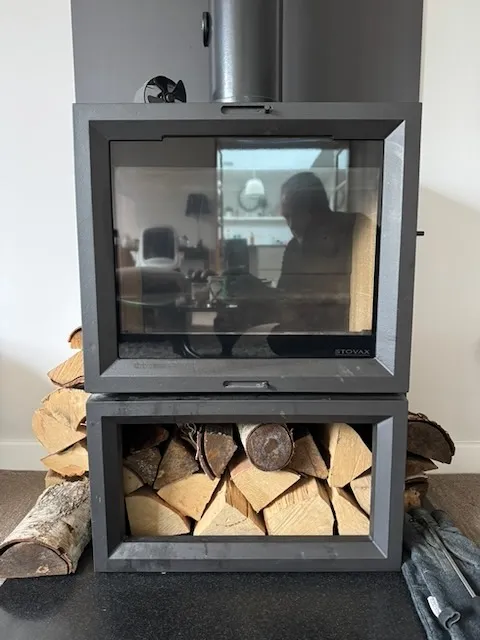
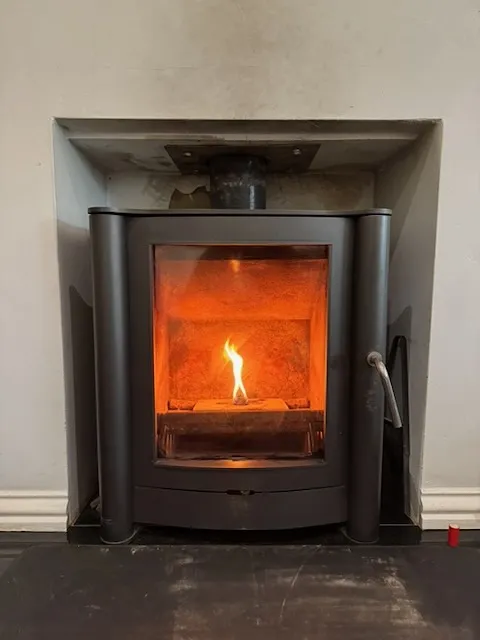
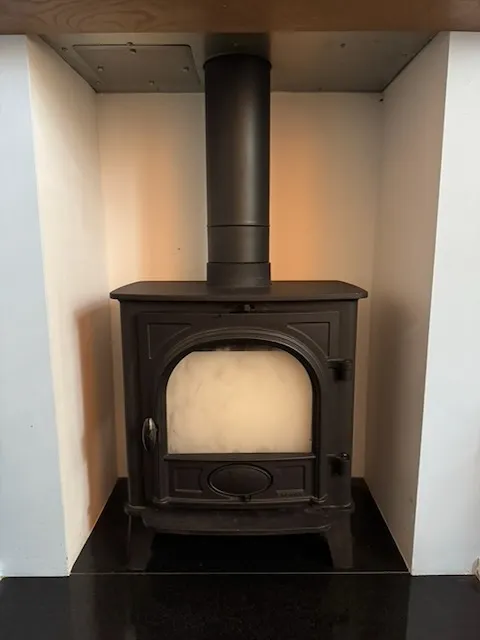
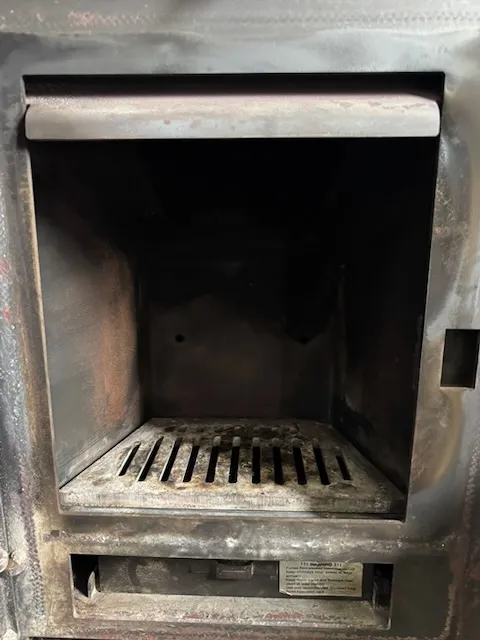
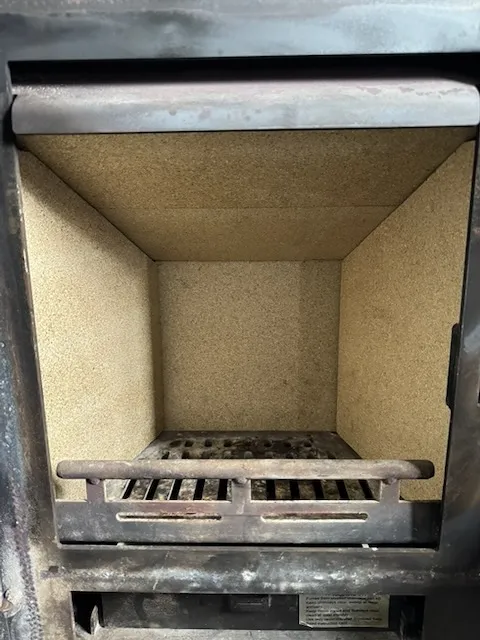
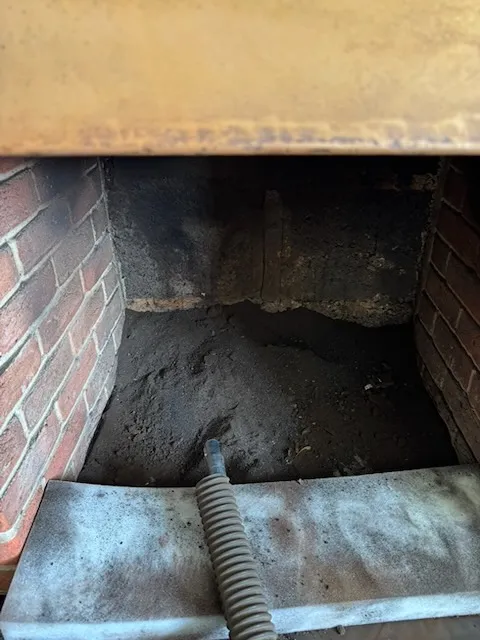
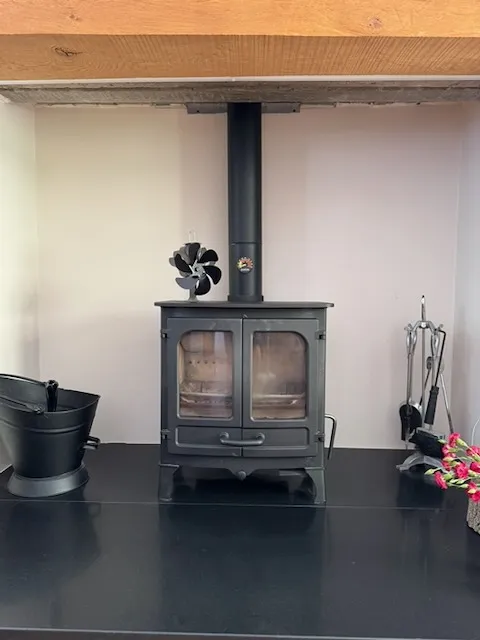
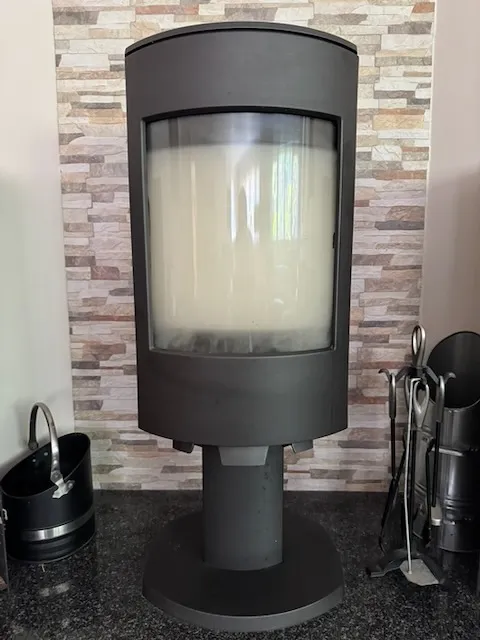
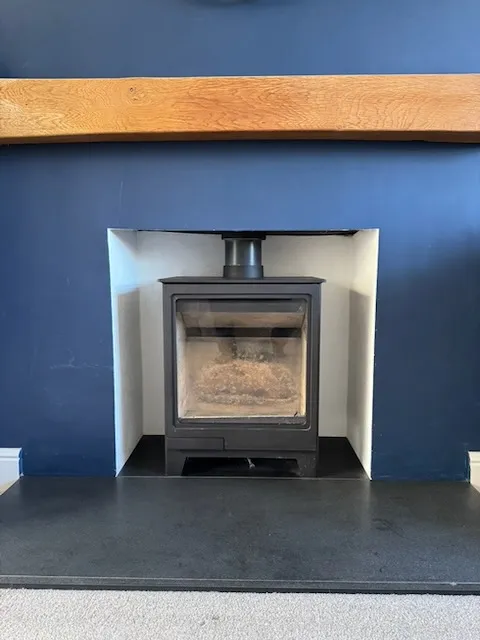
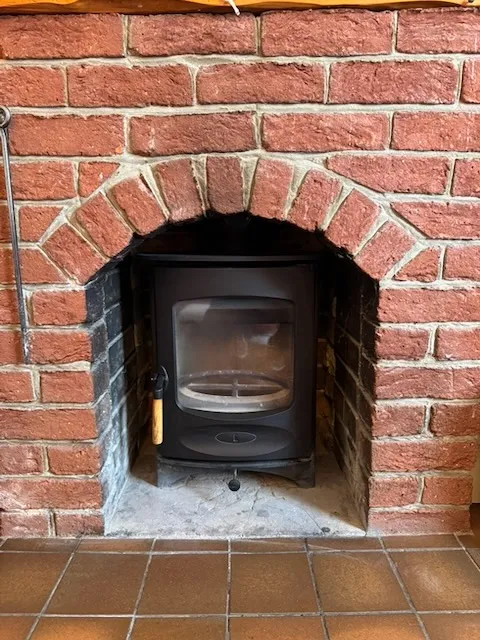
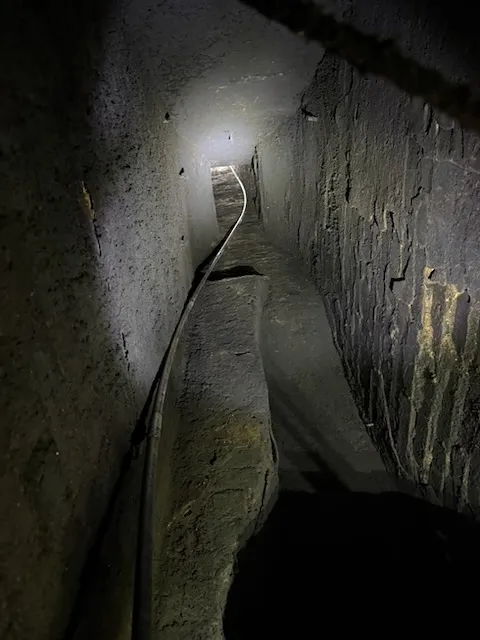
Honest, Upfront costs
Our standard chimney sweep starts from £85, with clear pricing for chimney inspections, nest removal, cowl and cap fitting, complex sweeps and stove maintenance. Any additional work is discussed and agreed before we begin.
01
From £85
Our standard, Guild-compliant chimney sweeping service Includes:
As part of our premium service we also offer
02
From £100
Our Complex Sweep includes everything provided in our Standard or Premium Sweep, but is tailored for chimneys that require additional care or attention. This can include:
03
From £250
Includes
04
From £200
Includes:
05
From £135
Includes:
06
From £60
Includes:
No hidden fees. Free local visits during normal working hours where work proceeds. Weekend and bank holiday appointments may be subject to a call-out fee. Missed appointments, late cancellations, or visits where work cannot proceed may be chargeable. Any additional work or replacement parts are always clearly quoted and agreed before work begins
How the Process Works
Once you’ve booked one of our services, We aim to make every visit straightforward, professional, and clean. Here’s exactly what happens on the day, from arrival through to completion.
We arrive at the agreed time and carefully prepare the area around your appliance using protective coverings. The work to be carried out is explained before we begin.
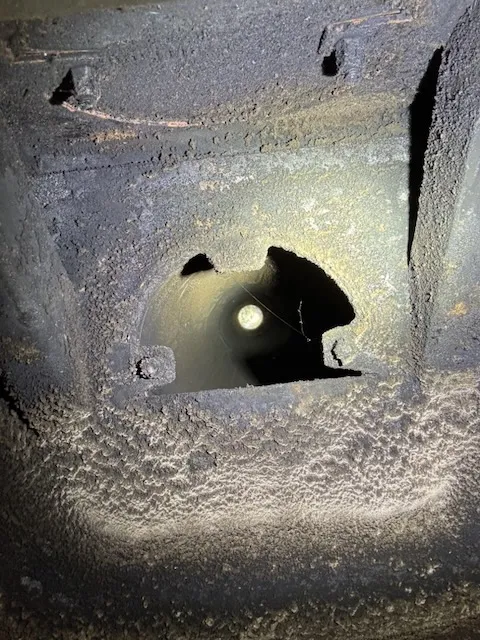
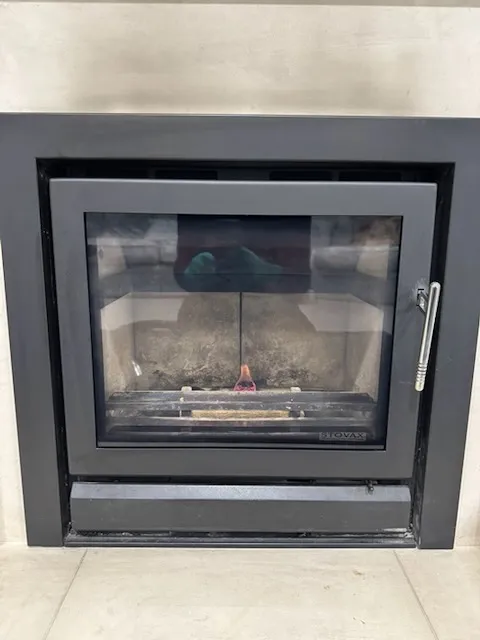
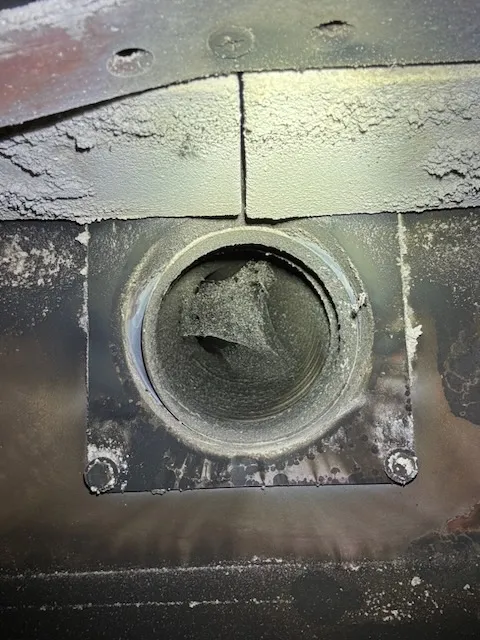
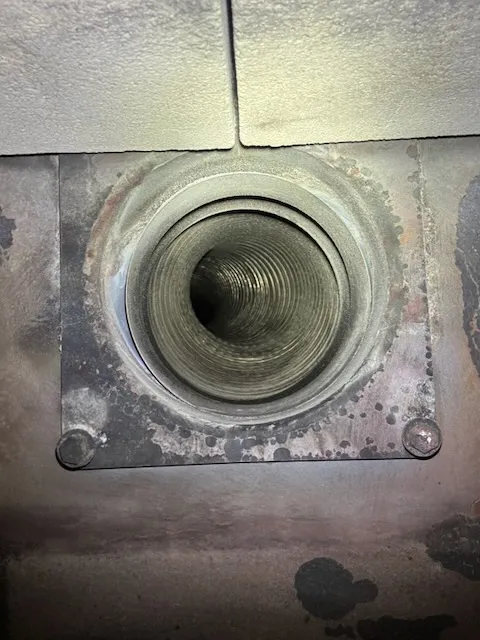
The chimney stack and pot are visually inspected, followed by a thorough sweep of the chimney or flue. Depending on the service booked, this may also include: - CCTV Inspection - Stove maintenance work - Bird nest removal - Before and after photographs Smoke draw testing and carbon monoxide alarm checks are carried out as part of every chimney sweep.
Once complete, the area is left clean and tidy. We explain our findings clearly and issue a digital certificate detailing the work carried out. Where applicable, photographic documentation is provided.
Simple, Professional and Carried Out with Care from start to finish